Set pieces: the cheapest goals in football
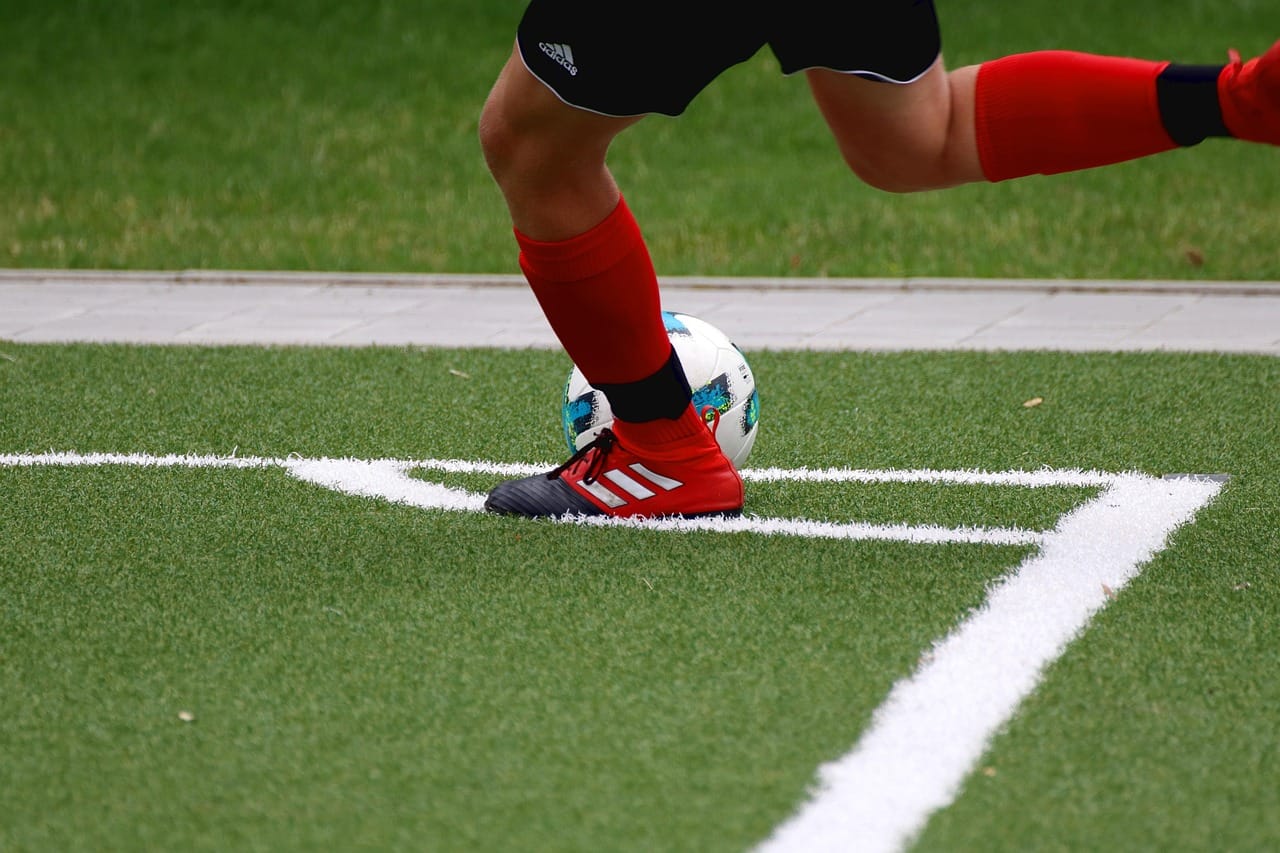
A third of the league’s goals come from corners and free kicks. Most clubs practise them for an hour a week.

Corners, free kicks and long throws produce about a third of all goals in the Northern League. Yet most clubs spend less than an hour a week practising them. The few that take set pieces seriously are gaining points that others are throwing away.
The numbers
Last season, 31% of league goals came from set pieces. For three clubs, it was more than 40%. For Castleford Wanderers, it was 12%, and they finished bottom.
| Club | Set-piece goals | Share of all goals |
|---|---|---|
| Kingsbridge Athletic | 17 | 44% |
| Northgate Albion | 15 | 38% |
| Riverside Rovers | 14 | 29% |
| Castleford Wanderers | 3 | 12% |
Why they matter more at this level
At the top level, defending is so organised that open-play chances are rare. At Northern League level, open play is more open, but teams are also less drilled at defending set pieces. A well-rehearsed corner routine can beat a defence that has spent ten minutes a week on it.
What good teams do
Kingsbridge have a set-piece coach, a former PE teacher who works with the team twice a week. Their routines are simple but practised until they are automatic:
- Blocks. One player stands in the way of the opponent marking the main header.
- Late runs. The best header starts outside the box and arrives at speed.
- Variety. Six corner routines, signalled by the taker's raised arm.
Defending them
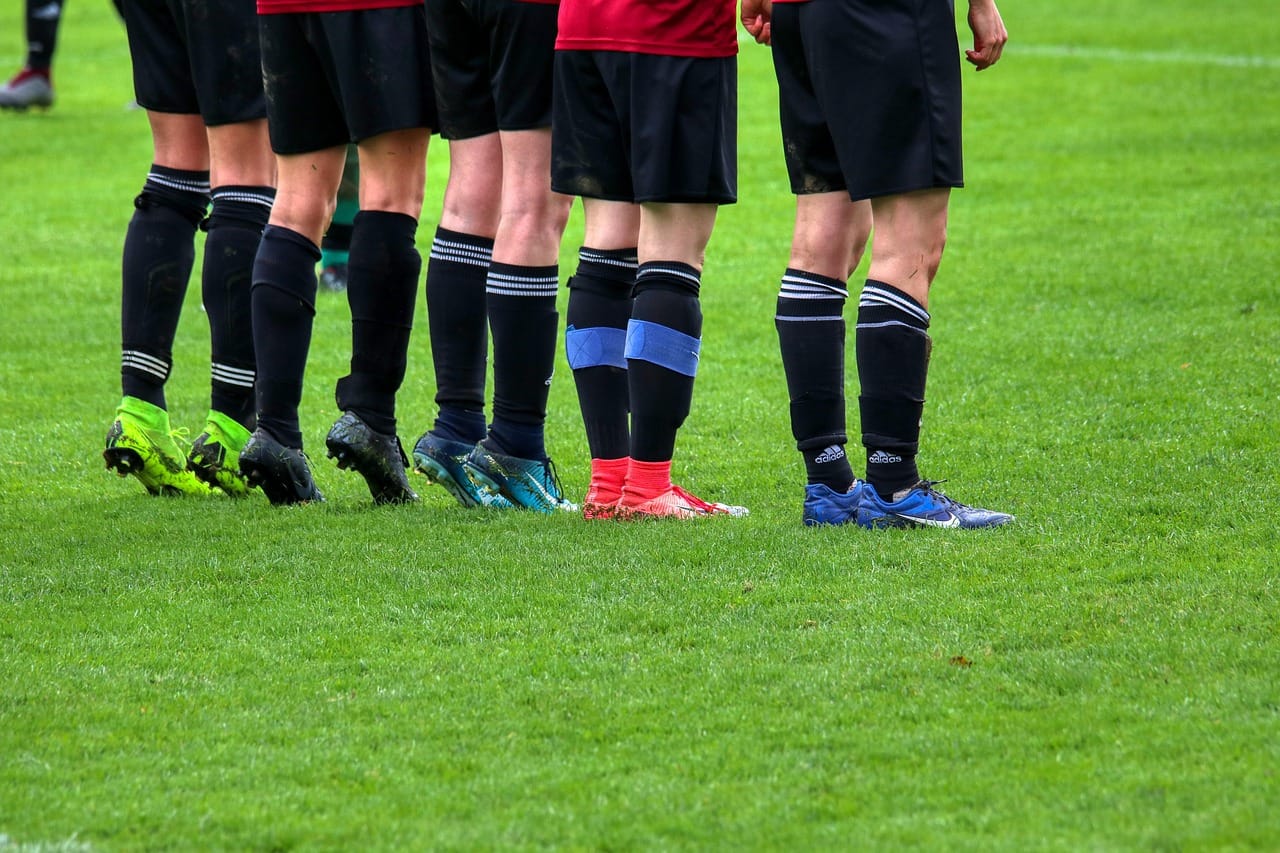
Defending set pieces is about organisation and bravery. Most goals conceded at this level come from the same mistake: a defender watching the ball instead of the player. Teams that mark both zones and players, with clear jobs for everyone, concede far fewer.
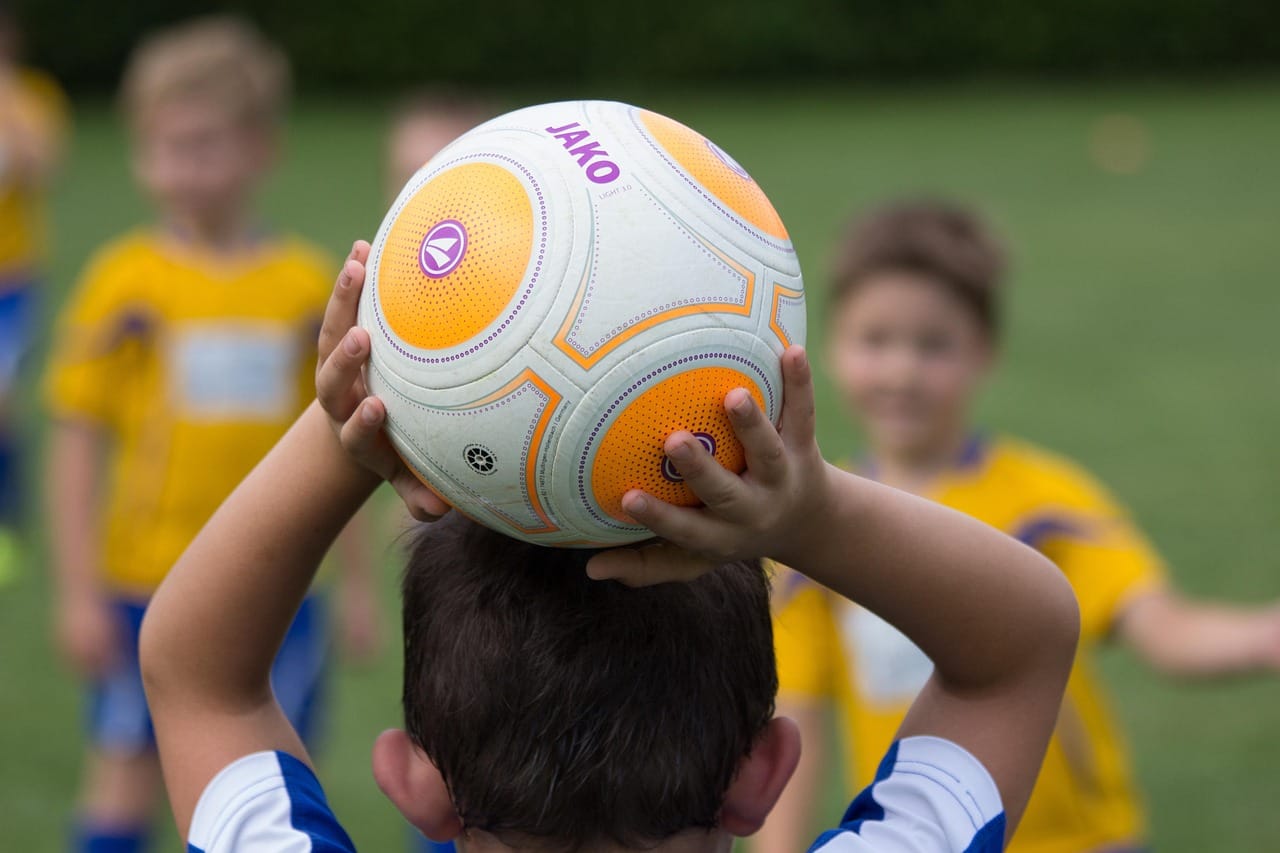
A set piece is the only moment in a game when you can plan exactly what happens. It is strange not to use it.
Joe Bright, Kingsbridge set-piece coach
The long throw
The long throw has made a comeback too. Three clubs have a player who can throw the ball into the six-yard box from the touchline. It is not beautiful. It is very effective, and it is free.
The routines, explained
Most of Kingsbridge's six corner routines start the same way. Four players stand together near the penalty spot, then run in different directions when the taker raises an arm. The defenders, who are marking players, have to choose who to follow. Somebody is always free for a moment, and a moment is enough.
Why do teams take short corners?
What is zonal marking?
What it costs
Nothing. That is the point. A set-piece coach costs a fraction of a striker. An hour a week of practice costs nothing at all. For clubs with small budgets, it is the cheapest way to win more games.