The matchday programme: football’s smallest magazine
From penny team cards to sixteen-page booklets, and why collectors pay hundreds for the rare ones.

For a hundred years, almost every football match came with a programme: a small printed booklet with the teams, a few articles, the fixtures and adverts for local shops. In the Northern League, many clubs still print one. Collectors pay hundreds of pounds for rare ones. Here is the history of football's smallest magazine.
The beginning
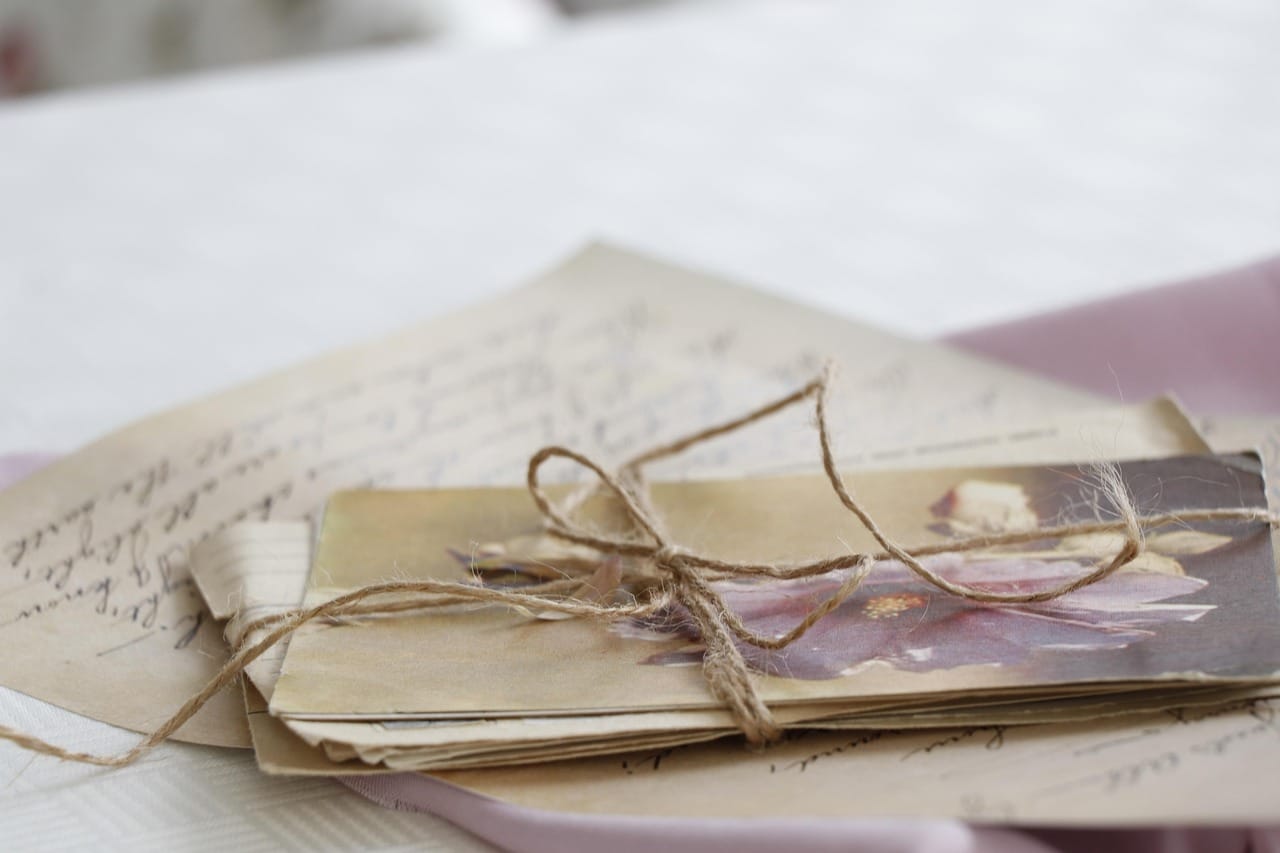
The first football programmes were single cards with the names of the players. Crowds in the late nineteenth century had no other way to know who was playing; shirt numbers did not exist yet. Clubs sold the cards for a penny.
The golden age
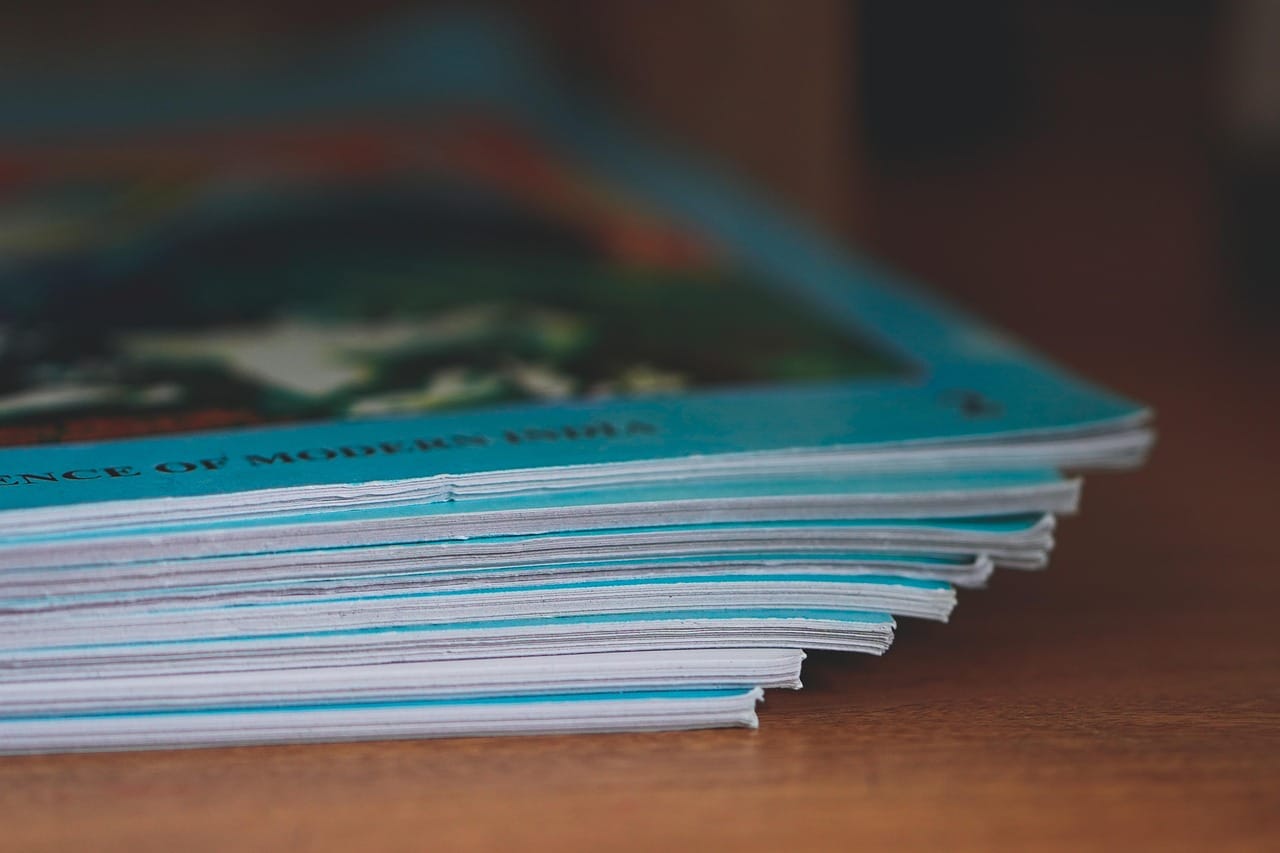
By the 1950s and 1960s, programmes had grown into booklets of sixteen or twenty pages. They had a message from the manager, notes on the visiting team, local news and photographs. For many fans, the programme was the only place to read about their club during the week.
What is inside
A typical Northern League programme today still has many of the same parts:
- A welcome from the chairman or manager.
- The squads, with numbers.
- Notes on the visitors, often written by a volunteer.
- The league table and fixtures.
- A history page and old photographs.
- Adverts from local businesses, which pay for most of the printing.
The programme is the club talking to its fans. It is a letter, every other Saturday.
Ellie Bramwell
Collecting
Programme collecting is a serious hobby. Programmes from famous matches, wartime games and clubs that no longer exist can sell for large sums. The rarest are from games that were postponed after the programmes were printed, because most copies were thrown away.
The digital question
Many top clubs have replaced printed programmes with apps and websites. At our level, most clubs still print, because their older fans want paper, and because local businesses still pay for adverts. Some clubs have moved to a free single-sheet version and put the long articles online.
How to start collecting
- Start with your own club and your own games. A programme from a match you saw is worth more to you than any rare one.
- Store them flat, in a cool, dry place, away from sunlight.
- Never write on the cover. Collectors value programmes without pen marks.
- Look for team changes written in by hand. A fan's notes from the day can make a programme special.
- Join a collectors' club. Most areas have one, and members swap their spare copies for free.
Why it matters
A programme is a small piece of a club's history, printed every other week. In a hundred years, someone will open one and find out who played, who scored and which local bakery sponsored the match ball. Keep yours. They are worth more than you think, and not only in money.